

While much of the published research based on our data sits within international security, international relations, and political science, the book chapter on North Korea highlights an example from area studies.
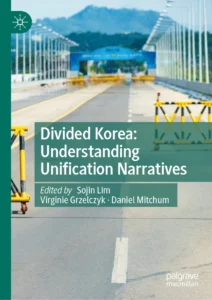
Abstract: Drawing on strategic narrative analysis and Joseph Nye’s soft power framework, this chapter explores how North Korea seeks to influence international opinion and compete with South Korean and Western narratives regarding unification. When Pyongyang discusses unification for international audiences, the main narratives comprise a mix of hopefulness, negativity, and blame. When discussing unification in general, often in the form of reporting on letter exchanges between political leaders from the North and friendly countries, the sentiment is typically positive and the narrative hopeful. When discussing unification in detail, the sentiment typically turns negative, focusing on blame for the United States, US military exercises in the South, and South Korean conservatives for preventing unification. This analysis contributes to broader discussions of international communication, strategic narratives, and public diplomacy by illustrating how Pyongyang works to seek, sustain, and advertise support for its public diplomacy narratives from countries and political groups around the world. Support for its preferred narratives highlights the North’s successful efforts to build soft power and win adherents to its preferred unification narratives.
For more on North Korean Public Diplomacy: How Pyongyang Discusses Unification for International Audiences, please visit the publisher’s website: https://link.springer.com/chapter/10.1007/978-3-032-21257-3_3.